Expecting a baby is a profound and transformative journey. Navigating this path as a solo parent brings its own strengths, as well as distinct challenges. Caring for your physical and emotional well-being is an important foundation for you and your growing baby.
01 · Movement
Embrace gentle movement
For many people with an uncomplicated pregnancy, staying active can be part of a healthy routine. The right activity and intensity depend on your health, pregnancy and previous activity level, so choose what feels comfortable and discuss changes with your healthcare provider.
- Find what feels good. Walking, swimming or prenatal yoga may be suitable options for some people. Adapt or stop an activity if it causes discomfort.
- Check first. Ask your healthcare provider before starting or changing an exercise routine, particularly if you have symptoms, a medical condition or a high-risk pregnancy.
- Know when to pause. Review ACOG's safety guidance and contact your healthcare provider if you have concerns or warning symptoms during activity.
| Practice | Observed Benefits | Precautions & Body Cues |
|---|---|---|
| Brisk Walking | Supports healthy circulation and gentle cardiovascular endurance without high joint impact. | Wear supportive shoes, stay hydrated; slow your pace at any noticeable shortness of breath. |
| Prenatal Yoga | Relieves lower back tension, encourages diaphragmatic breathing, and fosters mental grounding. | Avoid tight abdominal twists and prolonged supine (flat on back) postures past the first trimester. |
| Swimming / Water Buoyancy | Immediate sensation of weightlessness and relief on sacroiliac joints. | Comfortable water temperature (avoid hot tubs and saunas); focus on smooth, gliding movements. |
Asking for help is never an admission of weakness; it is the first intentional act of building your baby's caring circle.
02 · Support
Build your support village
Being a solo parent does not mean you have to manage every part of pregnancy alone. A reliable network can provide practical help and a listening ear as your needs change.
- Connect with community. Look for local or online groups for solo parents or expecting families, and choose spaces that feel respectful and supportive.
- Accept help that works for you. Friends or family may be able to help with errands, meals, appointments or simply making time to listen.

03 · Rest
Prioritize rest and mindfulness
Pregnancy can be tiring, and what feels restorative may vary from day to day. Give yourself room to rest and choose simple practices that feel comfortable to you.
- Listen to your body. Take breaks when you feel tired and ask your healthcare provider about persistent or concerning fatigue.
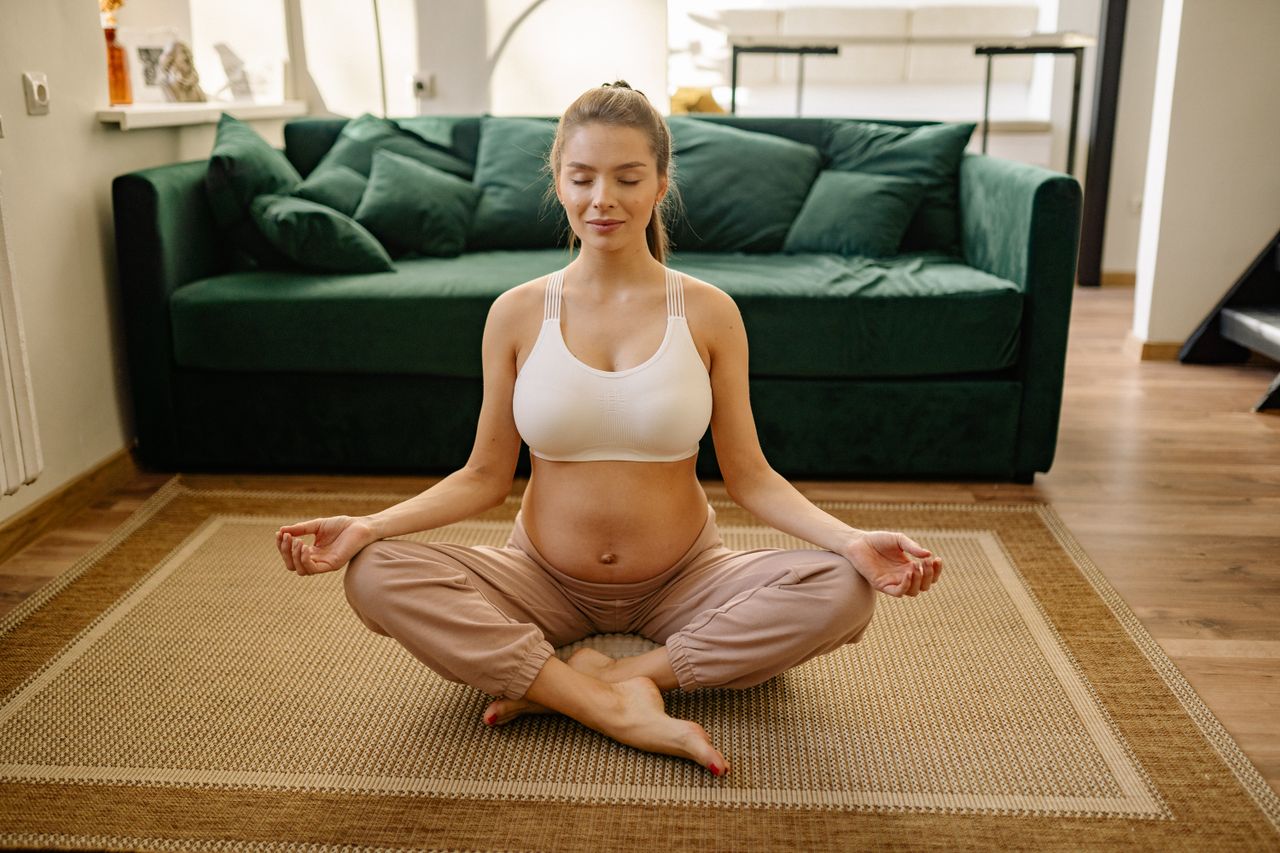
- Make space for a pause. A few minutes of slow breathing, meditation or journaling may help you feel more grounded. Choose what works for you; there is no single right routine.
Questions & Réponses Clés
Frequently Asked Questions
What gentle movements are safe and recommended during a solo pregnancy?
Brisk walking, prenatal yoga, and water buoyancy or swimming are evidence-backed options that support healthy circulation without high joint impact. Always consult your obstetric healthcare provider before starting or altering any exercise routine.
How can a solo parent build a reliable support village during pregnancy?
Identify 2 or 3 trusted individuals well before your due date for logistics, appointment accompaniment, and emergency backup. Connect with local or online groups for solo parents and accept targeted help without hesitation.
How should an expecting solo parent manage daily fatigue and emotional overwhelm?
Carve out 10 uninterrupted minutes each afternoon for micro-rests (elevating legs, slow diaphragmatic breathing) and maintain an open dialogue with your healthcare provider about persistent fatigue or prenatal anxieties.
Sources and further reading
Explore Further · Related Articles
Continue your reading with evidence-based insights complementing this topic.